


“Pursuing commitment over convenience, building bridges not just boundaries, and demonstrating tenacity in the face of relational challenges are countercultural preconditions for the life of togetherness Jesus invites us into.” From The Way Back to One Another by Jeff Galley and Phillip Smith
I work in different parts of Charlotte, in different neighborhoods and among various language groups. And recently, I realized how slow trust building can be and that deeper friendship requires time, attention and lots of cups of tea (or for non Afghan cultures, plenty of time to talk!).
The New Neighborhood
About a year ago, I became aware of a pocket of immigrants who had no access to ESL classes. I called local churches, nonprofits, and even the city councilman for that area, and no one was willing or ready to help with ESL. So as a person who loves to start new projects and programs, I decided to launch my own. I prepared curriculum, found a space and walked the area handing out flyers. I was sure I would have a full class…so much so that I got way too many materials prepared. On the day of the class, I had two students show up. Just two. And neither of them were very interested in the language learning – instead they wanted to talk and connect. After doing a bit more research, I realized that while I was correct on the need, I was missing a very important component: relationship. I didn’t have the street cred, especially in this particular immigration legal environment, that would allow folks to know that they can trust me. And with the ladies that DID come to the class, what they really wanted was friendship anyway. Lesson learned.
The New Neighborhood, Deux
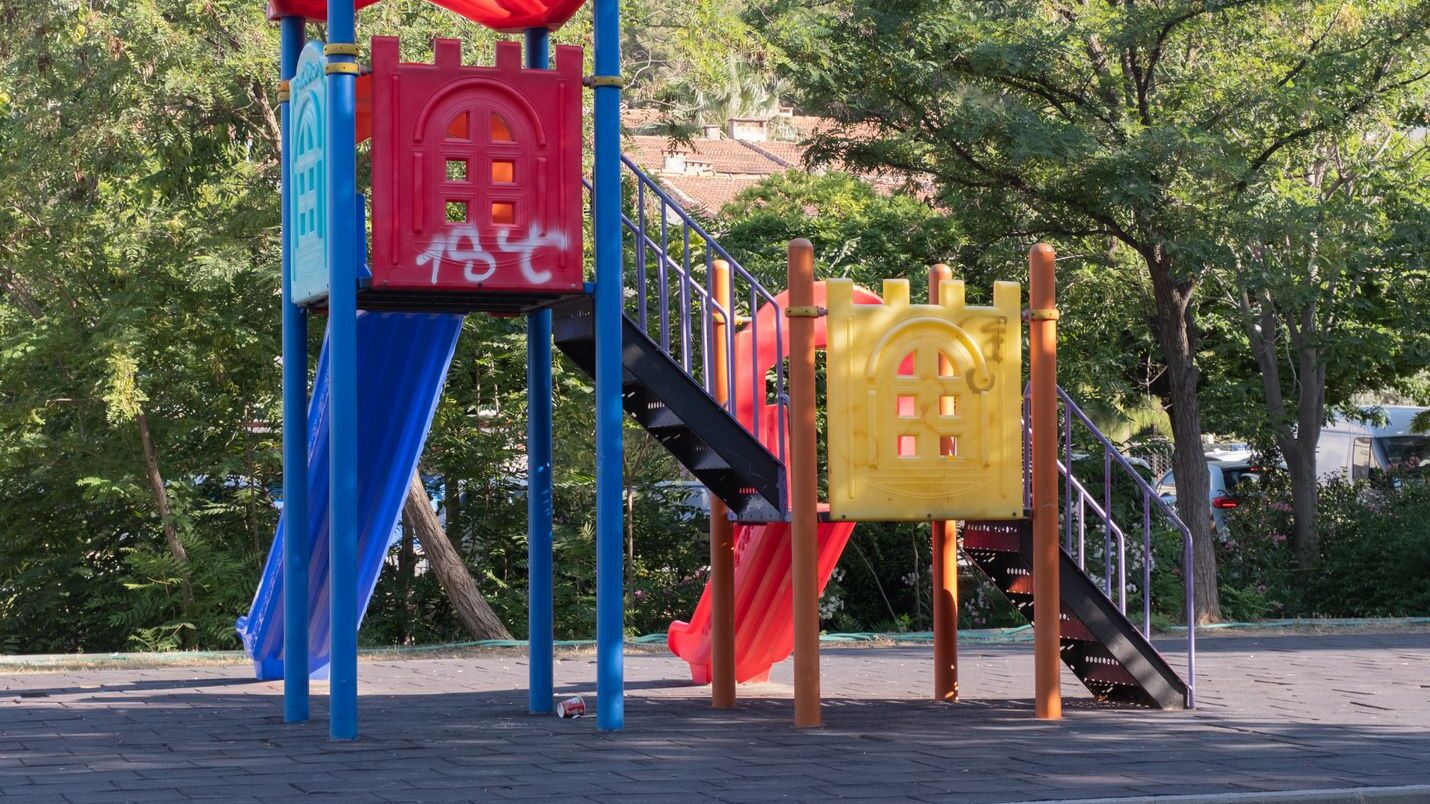
I entered another new neighborhood recently to start programming. I got out of the car and started to walk towards some picnic tables, and immediately an older woman I already knew saw me, came over to greet me and invited me to her picnic table. She introduced me to another woman sitting there, and while neither of them spoke the same lanugage, she made it known that I was her friend and thus someone that could be trusted. Within an hour, I was connected with a group of women who invited me to start coming regularly to teach and hang out.
The difference? Relationship. In this neighborhood, I was a known quantity. I had my sweet friend, who told me that she is the, “Neighborhood Mother,” invite me in and vouch for me and thus I could learn more about what was needed and wanted in this neighborhood that is also lacking in an available ESL class.
But There’s More…
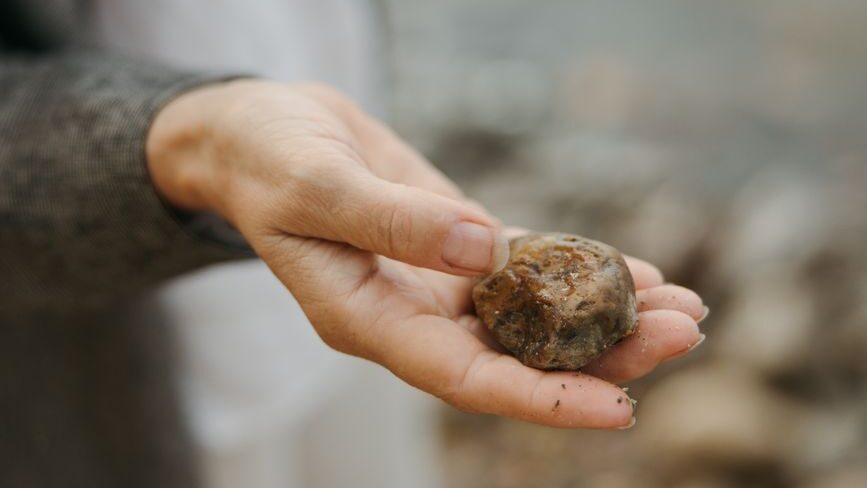
The story doesn’t end there. Hanging out with my friend that evening was very relaxed, and in mixed up bits of Dari and English, we discussed health issues, walking, driving and…sports! We were sitting next to a pickleball court, which prompted me to ask if she’d every played that game. This in turn prompted her to ask me if I had ever played panjagh, a game that involves throwing rocks into the air and catching them on the back of your hand. She demonstrated with three, and all three landed on the back of her hand. Looks easy enough, so I tried it and every single rock fell on the ground. She laughed at me, picked up the rocks and did it again, catching the rocks easily, then informing me that usually, five rocks were needed. For the rest of the time together, I tried intermittantly to throw and catch the rocks, and never succeeded.
This was the first time Nola and I had played a game together. She’s older, mostly illiterate, and took her role of class matriarch seriously this semester, running on her own timetable. Sometimes this caused small amounts of teacher angst when that timetable deviated significantly from the class schedule. I only saw a small part of who Nola was during our class periods, but during this relaxed time sitting at picnic tables, I saw her in a new light. I was reminded of stories she’d told me of being allowed to ride horses by her father, of being allowed to drive trucks, even when girls weren’t usually permitted such activities. She and her father did these activities out of the public eye, of course. But the rule breaking could only go so far. She wasn’t allowed to go to school, for fear of Taliban reprisals. As we played the game, I could picture this woman as a fiery, free-spirited little girl, breaking rules when she could, but ultimately constrained by society.
And then one day she had to flee to a new country, a place where literacy was the order of the day, where not being able to read or write in any language became an impairment that has kept her mostly feeling as an outsider. Yet she has responded to even this handicap with courage. She tries to talk to everyone, no matter what their language. She advocates for her family passionately, often jabbing me with her finger to make a point. She is constrained by the lack of language literacy…but she’s fighting with all she’s got to break those constraints. Watching her play panjagh with such skill, my eyes were opened to the ways she’s approached life with joy, bravery and reslience in a new way, and realized that if I was in her shoes, I would likely be overwhelmed and depressed in the situation she finds herself now. I now understand I have much to learn from her, including how to catch rocks!
In a recent post for Chalmers Center, Coy Buckley talks about the importance of relationships for lasting change. “Cultivating relationships with those whom we don’t normally identify as our neighbor may feel countercultural—even counterintuitive—but in God’s economy, the currency of restoration and change is through just these relationships.” He then goes on to challenge those of us in this work to evaluate our program design. Are we valuing this type of slow relationship building? “If our focus is on reaching more people in pursuit of scale, are we encouraging meaningful participation? Does our striving for efficiency unintentionally compromise dignity? With the increasing pressure for more data and measurement, do we flatten the complexity of poverty and the lived reality of those we seek to serve?”
There’s ALWAYS a tension in this work to put measurable outcomes ahead of relationships. Donors need to see numbers, “changed” lives, full classrooms. But for those of us who have discovered that those we serve often have as much to teach us as we have to teach them, then slowing down and listening, learning, understanding becomes an incredibly important value. I learned over the last few months that relationships open doors to better serve our New American friends. But beyond that, time together also changes and humbles me, as I learrn from the example of my sweet students and friends.